
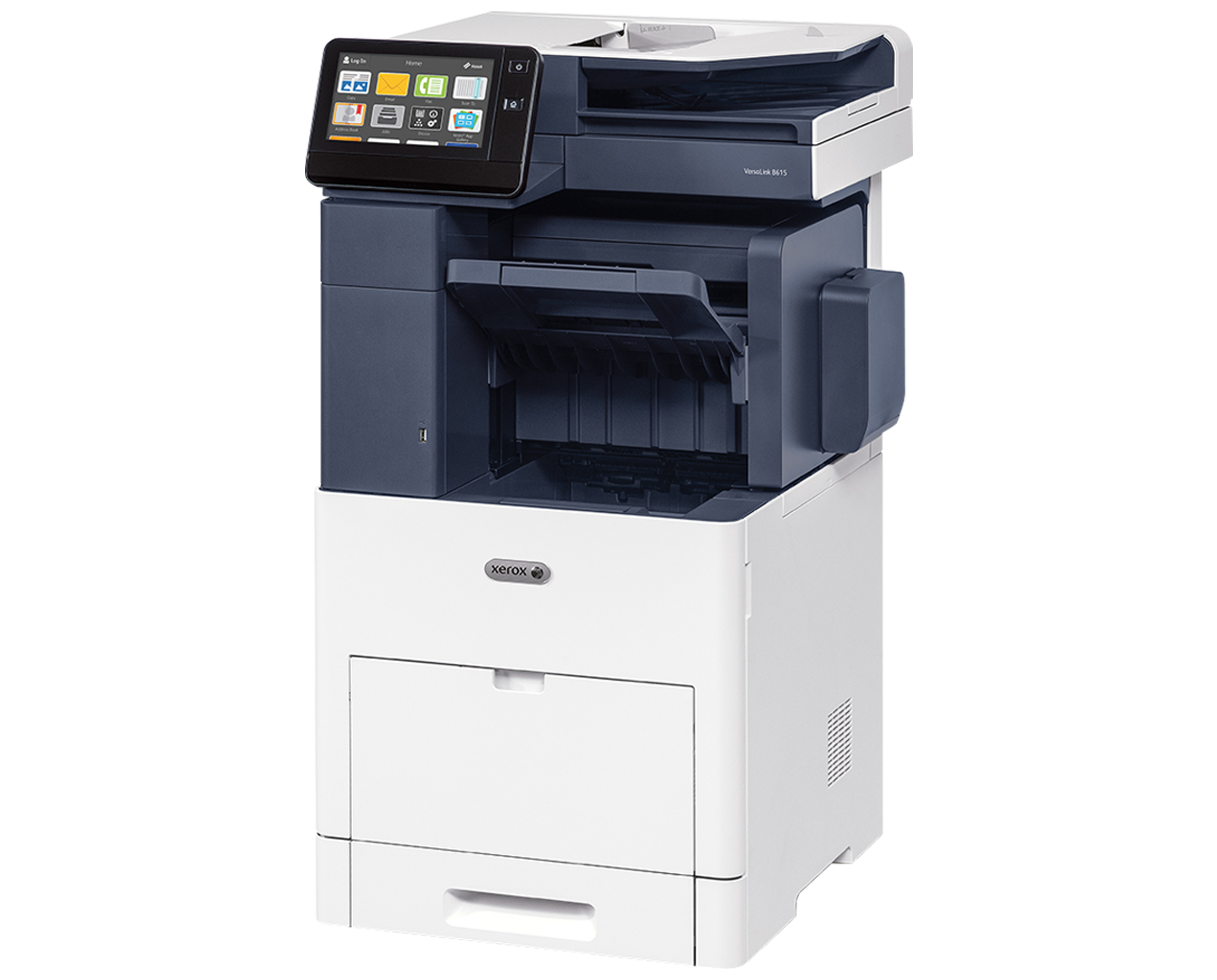
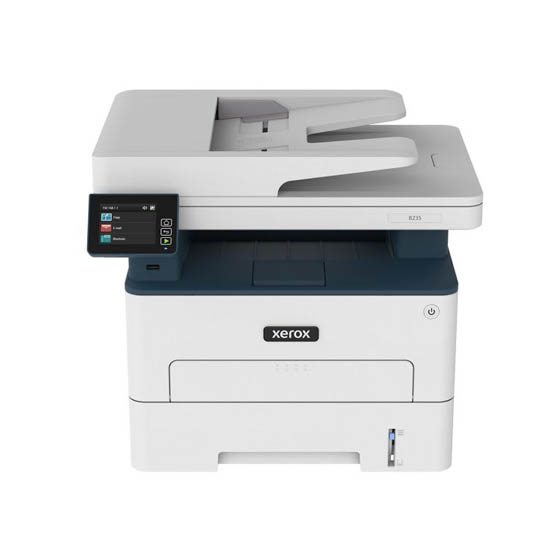
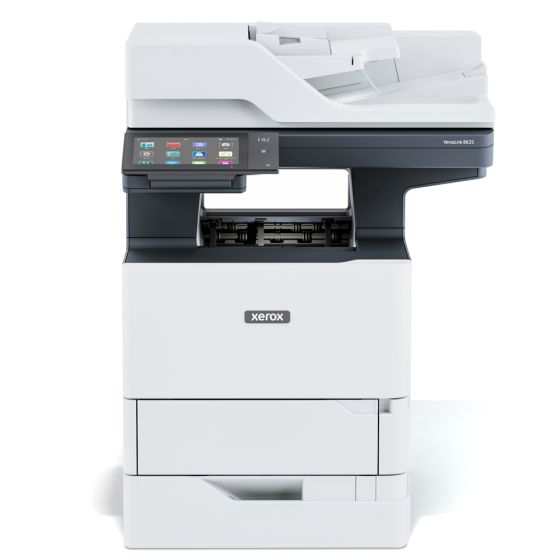
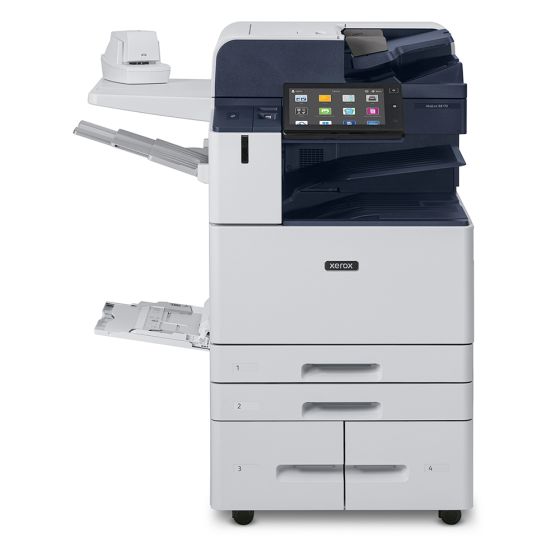
A law firm copier lease in San Francisco doesn’t have to drain your overhead budget. Many legal administrators and managing partners unknowingly overpay for print capacity they never use, while simultaneously underestimating the security and workflow features required for discovery scanning, client confidentiality, and case management integration. The key to avoiding this costly mistake is understanding exactly how many copies your firm actually needs each month, which legal-specific features are non-negotiable, and what a realistic law firm copier lease in San Francisco should cost.
This guide walks you through right-sizing your lease term and monthly allowance, selecting equipment with built-in legal compliance features, and calculating the true cost of ownership before signing any contract.
Right-Sizing Your Lease: The Foundation of Cost Control
Overpaying for a law firm copier lease in San Francisco starts with a single mistake: guessing at monthly copy volume instead of measuring it.
How to Calculate Your Actual Monthly Copy Volume
Most law firms drastically overestimate their print needs. Discovery projects, client communications, and internal document review create seasonal spikes, not consistent month-to-month demand.
Start by pulling 3 months of usage data from your current equipment:
- Pages printed per day, broken down by department (litigation, corporate, IP, etc.)
- Peak print months versus slow months
- Number of color versus black-and-white pages
- Scanning volume (discovery documents, intake forms, case files)
Multiply your average daily volume by 20 (working days per month) to establish a baseline. Then add 15-20% for seasonal growth without padding aggressively.
Example:
- Litigation department: 8,000 pages/month
- Corporate/IP: 5,000 pages/month
- Administrative/HR: 2,000 pages/month
- Total baseline: 15,000 pages/month
- With 20% seasonal buffer: 18,000 pages/month
Many San Francisco law firms lease equipment rated for 40,000-50,000 monthly copies when they actually need 15,000-20,000. The result is 18 months of paying for capacity that sits idle.
Why Law Firms Need a Different Copier Strategy
Law firms often handle far more document movement than a typical small office. Pleadings, contracts, exhibits, deposition materials, discovery files, correspondence, and client records can create heavy printing and scanning workloads, especially when a major case approaches trial or a discovery deadline.
That makes high-volume legal printing and scanning a core workflow rather than an occasional task. A copier that is too small can create queues, repeated supply changes, slow scanning, and unnecessary downtime, while an oversized production device can leave a firm paying for capacity it rarely uses. The goal is therefore to match machine speed, duty cycle, paper capacity, finishing, and scanning performance to actual legal workloads.
A practical right-sizing checklist
| Factor | What the firm should measure |
| Monthly pages | Average and peak monthly output |
| Scanning | Discovery and case-file scanning volume |
| Users | Attorneys, paralegals, support staff |
| Color | Actual color pages versus black-and-white |
| Paper sizes | Letter, legal, ledger, and specialty sizes |
| Finishing | Stapling, sorting, hole punching, booklet work |
| Growth | Expected increase in users and case volume |
The same principle applies to legal office copier leasing SF, because a lease designed for a general office may not address the needs of a document-heavy legal practice. A litigation firm may need faster duplex scanning, large document feeders, secure release, searchable PDF creation, and finishing options that a smaller office may never use. As a result, the most useful lease is the one built around the firm’s workflow rather than the largest specification sheet.
How to Right-Size the Lease and Monthly Copy Allowance
The most important question is not simply, “How fast is the copier?” It is How to right size a copier lease for a Bay Area law firm based on measurable demand, because speed and capacity have little value if the firm is paying for equipment it does not need. A useful starting point is to review several months of meter readings and separate normal usage from unusual litigation spikes.
The same analysis helps determine the monthly copy allowance. If a firm averages 12,000 pages but regularly reaches 20,000 during discovery, a lease allowance based only on the 12,000-page average may create frequent overage charges, while an allowance based on 40,000 pages could waste money during quieter months. ces and click rates so the true cost is visible before the agreement is signed.
A simple calculation
Average monthly pages + predictable peak volume + reasonable growth allowance = target monthly capacity
A firm should then compare that target with:
- Copier rated speed
- Recommended monthly volume
- Included monthly impressions
- Black-and-white click rate
- Color click rate
- Service coverage
- Overage charges
This is a better approach than choosing the machine with the highest pages-per-minute rating.
Understanding Overage Charges and Lease Terms
Overage fees are where law firms hemorrhage hidden costs. Most copier leases charge $0.015 to $0.03 per page above your monthly allowance. A single high-volume discovery project can push your firm 10,000-15,000 pages over, triggering $300-$450 in unexpected charges.
Right-sizing means choosing a monthly allowance that covers your baseline plus seasonal spikes without excessive overage premiums. For San Francisco law firms, this typically means:
- Standard litigation firm (10-25 attorneys): 20,000-30,000 pages/month
- Large litigation/discovery-heavy firm (25+ attorneys): 40,000-60,000 pages/month
- Corporate/IP firm with moderate discovery: 15,000-25,000 pages/month
Lease terms also matter. A 3-year term locks you into pricing and prevents equipment upgrades if your firm grows, shrinks, or gains access to new case management integrations. A 5-year term offers lower monthly rates but sacrifices flexibility. For San Francisco firms experiencing rapid turnover or expansion, 3-year terms provide better cost control.
A Better Copier Lease Starts With the Numbers
A legal office does not need the biggest copier available to handle demanding work. It needs a machine and agreement that matches actual printing, scanning, security, staffing, and case requirements while leaving enough capacity for predictable peaks. With the right measurements and contract review, law firm copier lease San Francisco planning can help a firm avoid paying for unused capacity while protecting the workflow that keeps attorneys and staff productive.
For firms comparing legal office copier leasing SF, Clear Choice Technical Services can help evaluate copier leasing, rental, maintenance, and office equipment needs. Call (415) 423-0663 to discuss the firm’s print volume, scanning requirements, security priorities, and preferred lease structure, and request a quote or free demonstration. A properly sized copier should support the firm’s work without forcing it to pay for capacity it does not use.